
Recent articles
A Journey from researcher to influencer: TikTok as a methodological tool
Tinca Lukan explores TikTok’s use in ethnographic research on social media influencers, detailing how she integrated it into her PhD study on influencers’ working conditions in Slovenia.

Do you dare? What female scientists expect when communicating
This short analysis focuses on female scientists as a subgroup of a large survey sample and how their assessment of public engagement differs from that of their male counterparts.
What happens to science when it communicates?
In August 2023 Benedikt Fecher conducted an interview with Clemens Blümel from the German Centre for Higher Education Research and Science Studies (DZHW) on the topic of ‘what happens when science opens up and communicates’ and the emerging challenges for future scientific communication.
All articles
In future, papers will not be paywalled
Plinio Casarotto takes a look at the future of publishing.

Google and research data
Peter Kraker on Google Dataset Discovery, the open science movement, and his #DontLeaveItToGoogle campaign.
Research Funding is critical to societally relevant research
Paul Benneworth and Kate Maxwell explain why we need public funding for science that creates truly public benefits.

Addressing the mental health crisis among doctoral researchers
A perspective from Germany’s biggest network of doctoral researchers

Do we need an Open Science coalition?
What exactly is open science? It can be a social justice issue, part of a political capitalist regime or a form of traditional science.
What’s the big DEAL and why is it so difficult to reach?
Nick Fowler and Gerard Meijer on the future of Open Access in Germany. Will the negotiations continue?
Science communication in the digital age
Classical and large institutions of liberal democracy like politics and the media are increasingly less trusted. What about science?

Storm in a teacup: predatory journals are irrelevant
No big news for scientists: Journalists recently uncovered a scandal surrounding predatory journals. What happened?

Can digital technologies enable good scientific practices?
Wanda Jones explains how to promote good scientific practices and what universities could do to integrate them into their curricula.

Research Ethics: A European Mission
Elmar Doppelfeld explains why promoting ethics in science is a challenge that must be tackled on a european level.
Science is the search for truth and knowledge
Bernhard Kempen illustrates calls for a bona fide treatment of data, facts, and intellectual property.
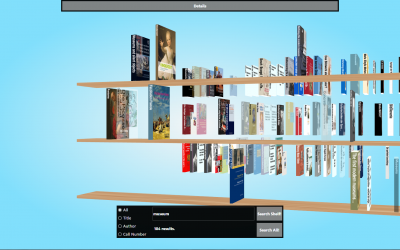
Smart Libraries
Buzz word or tautology?
Social media use in research
Su Golder and Gill Norman analyse the complex ethical considerations researchers face using social media data.
Promoting good scientific practice. The Norwegian case.
Annette Birkeland explains, how an efficient strategy of promoting good scientific practice should look like.

Review needs a revision
Problems with current situation of review and how to solve them
The Rise and Fall of Dr. M.
A young scholar in the fast lane. Until the crash.
How libraries secure trust in the research process of the 21st century
Three examples for library engagement in trust: scholarly communication literacy, information quality and legal certainty.
Scientists should place themselves among the society
Search for the truth, but also provide contributions to problem-solving and make reliable predictions.
What is the impact of retractions in science?
What should a scientist do if he or she realized that there is an error in research? What kind of implications can this have on their future career?

Impacting the ‘real world’: out of sight for science?
The conflict for scientists and research evaluation between scientific impact and tackling societal challenges.
The balance between bibliometric and societal impact
An interview with Kai Chan and his strategies to seek the combination of both kinds of impacts.

Overselling results is a problem in science
“Scientists who oversell their results are a big problem for science.”
Decentralizing Science
The case for decentralized, trusted platforms for the dissemination of scientific information and attribution.
The reason to do science
Christopher Aiden-Lee Jackson researches the Earth’s structure. In his opinion, scientists have to care more about informing their findings to policymakers.
Newsletter
Social media
Follow us
Stay informed about our posts and activities and spread the word via our social media channels.